

Makati City, Philippines – The link between nutrition science and public policy took centre stage at the 2026 Nutrition Forum, held on 16 September 2026 at the Makati Shangri-La. Convened by the European Chamber of Commerce of the Philippines (ECCP) through its Food and Beverage Committee, the event brought together experts, government partners, industry leaders, and development organisations to examine evidence and policy priorities shaping nutrition in the Philippines.
Under the theme “Bridging Science and Policy: Advancing Holistic Nutrition for a Smarter and Competitive Philippines,” the forum examined key areas including the role of nutrition in cognitive development and learning, the economic case for nutrition investment, and the need for stronger collaboration across government, industry, and communities.
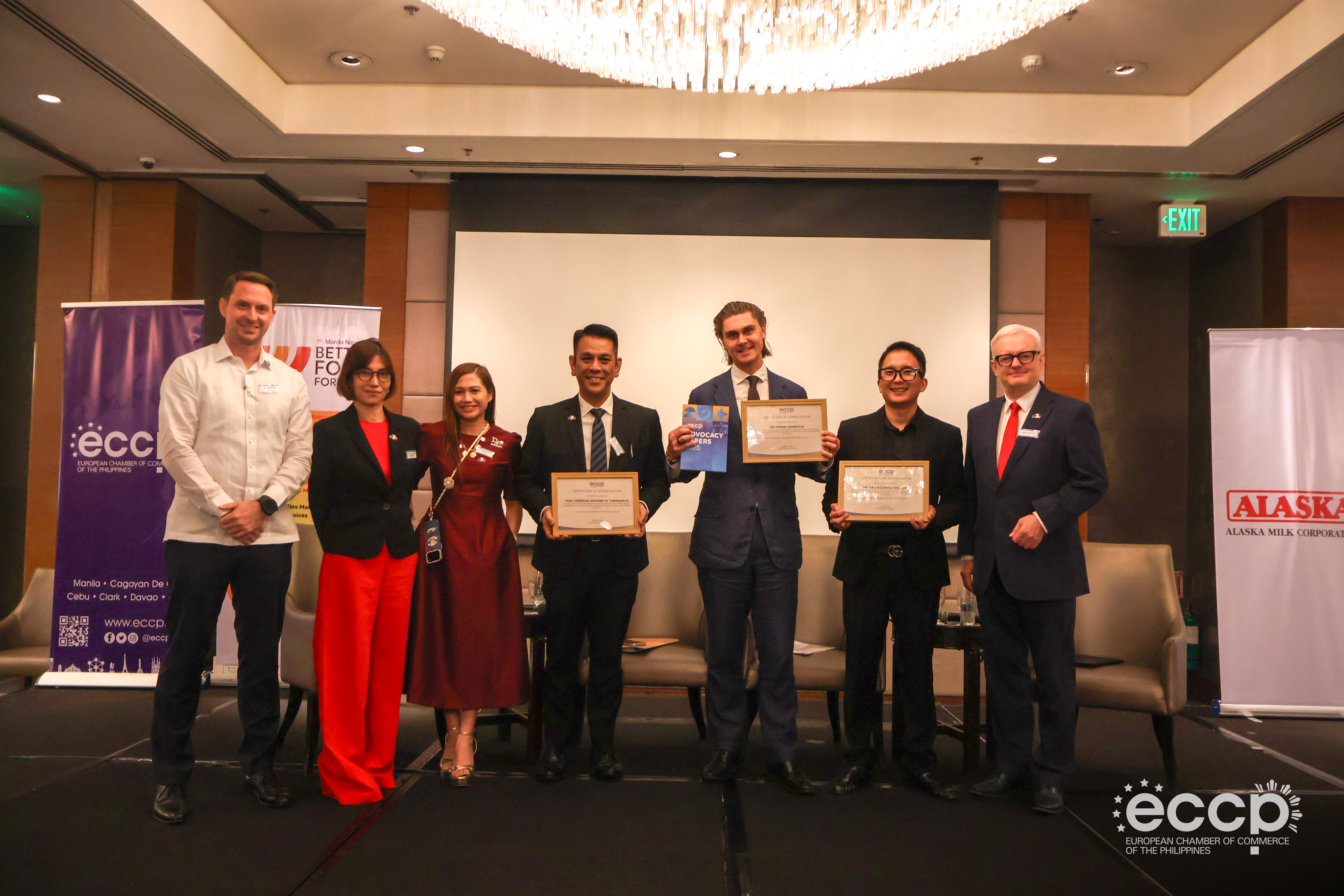
Science and evidence at the heart of nutrition policy
The discussions began with the role of science and evidence in understanding how nutrition affects development and long-term outcomes. Acad. Imelda Angeles-Agdeppa, PhD, RND, National Academician of NAST and PRC Board Member for Nutrition and Dietetics, discussed the link between nutrition and cognitive performance.
“A well-nourished child is more likely to secure a better education, generally excel, and earn up to 46% more over their lifetime. Conversely, the cost of inaction is staggering, with 250 million children under the age of five currently at risk of failing to reach their full developmental potential, ultimately facing up to a 25% reduction in their average earning potential,” she shared.
Meanwhile, Dr. Cecilia Acuin, Senior Nutrition Advisor at the World Bank Philippines, highlighted the economic implications of stunting and the importance of investing in nutrition. She emphasized: “Apart from focusing on the individual, nutrition is important in building stronger families and communities, holding the potential to break the poverty cycle and empower them."
“Furthermore, strategic nutritional investment provides the opportunity to maximize the country's demographic transition in order to maximize our human capital potential,” Dr. Acuin added.
Sharing more insights to the discussions, Mr. Miguel Angelo Mantaring, Director IV of the Department of Education (DepEd), likewise gave perspectives on embedding nutrition in education to support lasting learning outcomes.
He shared: “Starting this school year, around 1.5 million kindergarten and 1.8 million grade 1 students will benefit from school feeding programs, as they are prioritized because this is where children establish their foundational competencies. This investment focus links school meals directly to learning outcomes.”
“However, feeding millions of children requires a multi-level governance framework that integrates national policy with localized execution, allowing local government units to bring vital infrastructure, personnel, and local food systems closer to the learners,” Dir. Mantaring added.
The session continued with a panel discussion moderated by Ms. Helen Grace Baisa, ECCP Food & Beverage Committee Chairperson, where speakers further examined the links between nutrition, development, education, and policy. Here, Dr. Cecilia Acuin noted that while a school may have outstanding individual students, the educational system as a whole can be considered unsuccessful if the majority are struggling, emphasizing the need to measure how interventions are delivered and whether they converge on the same beneficiaries.
Addressing the timing and outcomes of interventions, Dir. Mantaring explained that although evidence points to the first 1,000 days as the critical window for impact, the tangible effects of these foundational milestones become apparent during the early years of schooling, leading DepEd to treat student health and well-being as tantamount to achieving educational outcomes.
On one hand, and highlighting the scope of governance, Hon. Imelda Angeles-Agdeppa pointed out that empowering the entire government is vital because local agencies carry the responsibility of supporting communities, and children must be given a chance at a better quality of life so they can properly excel.
Following this, Dr. Mercedita Macalintal acknowledged DepEd's efforts in addressing nutritional concerns while noting that deeper structural challenges related to food availability and accessibility persist, requiring strict regulation over product endorsements and the credentials of those promoting them.
Finally, Ms. Sheila Macias underscored that nutrition spans far beyond a traditional health discipline, existing at the intersection of science, policy, industry, education, and family life to serve as a powerful investment driving national productivity, economic growth, and quality of life.
Building collaborative nutrition systems
The forum then turned to the role of cross-sector partnerships in translating nutrition priorities into action. Hon. Franklin Anthony M. Tabaquin IV, OIC Director General of the Food and Drug Administration (FDA), stressed the role of science, standards, and stakeholders in advancing collaborative nutrition systems.
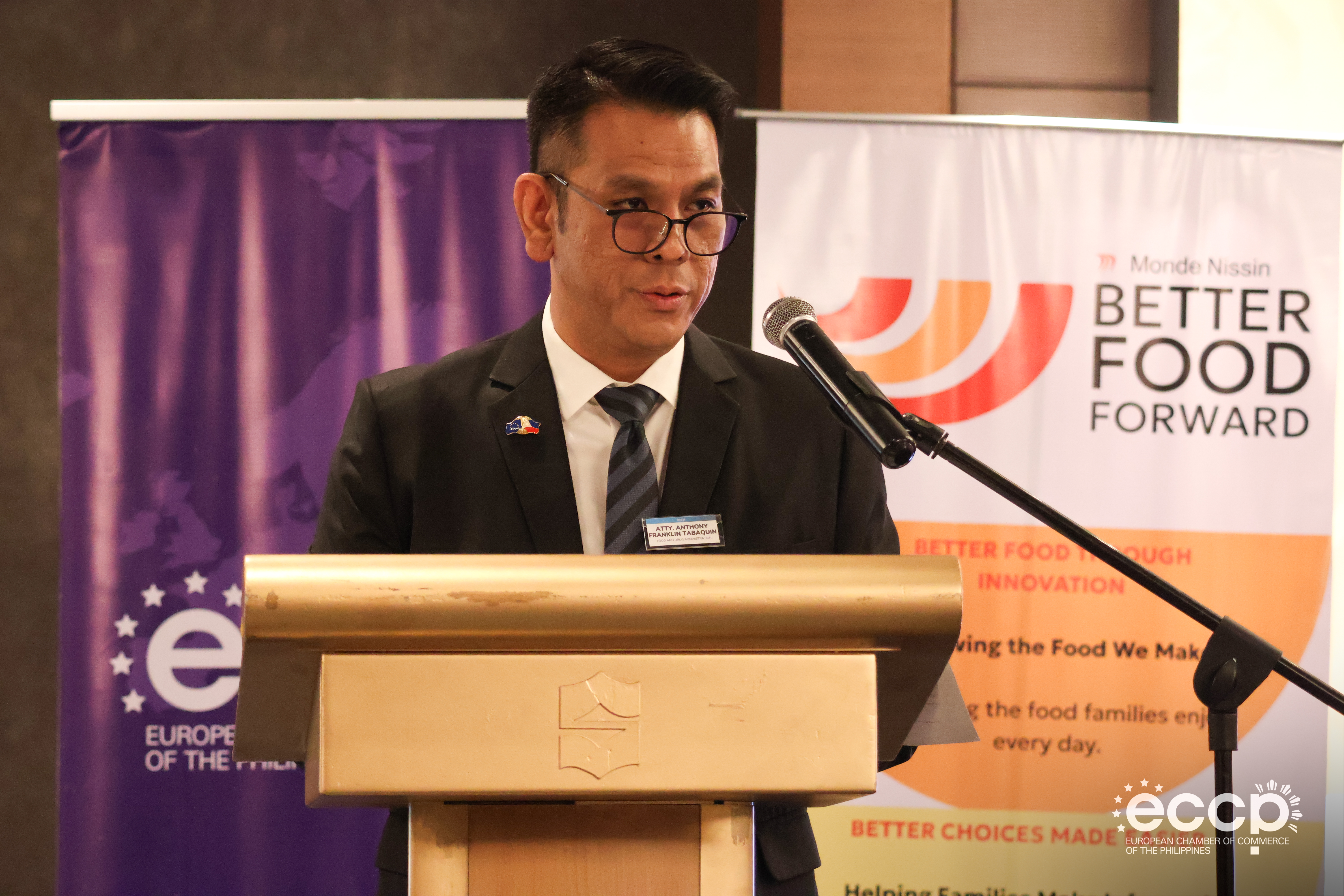
“Better nutrition is too important to leave to one agency or sector alone; it requires government, industry, scientists, health researchers, and ultimately public empowerment to ensure Filipino families have access to safe products through effective, science-based risk assessment that never treats affordability as an opposing goal” he mentioned.
Mr. Johan Lennefalk, Trade Commissioner of the Embassy of Sweden, likewise discussed Sweden’s approach to building collaborative and sustainable nutrition systems.
“The world faces a double burden of malnutrition where hunger and obesity coexist and strain the health system. Sweden’s own journey started with scarcity and unequal access to food, leading to a series of reforms to help farmers and modernize agricultural production. Today, Sweden is continuously building its nutrition system, which is anchored on three main pillars to make healthy food accessible to all: regulation, consumer awareness, and innovation” said Lennefalk.
Succeedingly, the session featured Mr. Kevin Carpio, MSc, RND, Nutrition Advocacy Manager at Monde Nissin, who shared perspectives on responsible product formulation, access and affordability, and the challenges and opportunities in implementation.
He highlighted that bringing better food to the plate is a collaborative effort requiring affordability, accessibility, nutritional quality, and education. Leveraging its enormous industry reach, he shared that Monde Nissin drives the "Better Food Forward" advocacy to enhance nutritional value and informed choices through three pillars: community programs for balanced diets, product innovation and fortification, and expert partnerships to build a better food environment”.
The session continued with a panel discussion, where speakers explored regulatory innovation, systemic access, and industry balance.
During the discussion, Hon. Franklin Anthony M. Tabaquin IV underscored the need for cooperation and the FDA's willingness to increase its reach across the country, noting that in order to be truly responsive, it is necessary to innovate and be more dynamic by constantly engaging in dialogue with various sectors and stakeholders.
Addressing long-term human development and institutional lessons, Mr. Johan Lennefalk also emphasized that access must be guaranteed regardless of background; and that information is vital for increasing awareness, noting that households with fewer financial resources gain the most benefits from integrated, lifelong approaches where nutrition is recognized as foundational to a country's future.
Finally, Mr. Kevin Carpio highlighted that balancing commercial objectives with genuine health impact involves navigating technical challenges such as taste, cost, and consumer awareness. He also emphasized that continuous stakeholder dialogue remains essential amid evolving policy measures in order to fully realize the benefits that come from national policies.
Strengthening partnerships for better nutrition outcomes
Across the discussions, speakers highlighted the importance of connecting evidence, policy, and implementation to address the Philippines’ evolving nutrition challenges. The forum likewise underscored the role of government, industry, academe, development organisations, and other stakeholders in strengthening nutrition systems and supporting better outcomes across different stages of life.
Through the Nutrition Forum, the ECCP continues to provide a platform for evidence-based dialogue and knowledge exchange, helping stakeholders identify practical approaches to nutrition policy and implementation that can contribute to stronger human capital and a healthier and competitive Philippines.
The 2026 Nutrition Forum is made possible by Industry Partner: National Dairy Authority; Co-Presenter: Monde Nissin Corporation; Advocacy Lead: Vouno Trade and Marketing Services Corporation; Advocacy Supporter: Hijo Superfoods, Inc.; Table Top Partner: Alaska Milk Corporation; and Media Partners: iMPACT, Powered to Wellness, and The Manila Times.



Serving the European-Philippine business community since 1978, the ECCP remains committed to enabling cross-sector collaboration, promoting economic growth, and championing a sustainable future. For inquiries or further information, you may contact us directly or connect with us through our official social media channels.